
Making a responsible shift
Sustainability
in Life Sciences
Sustainability in life sciences isn’t about statements. It’s about systems that quietly reduce waste, energy use, and operational friction, every single day. Metinor is designed with that in mind. From how sensors are deployed to how data is used, the system removes inefficiencies that typically go unnoticed, but add up quickly across labs, facilities, and organizations.
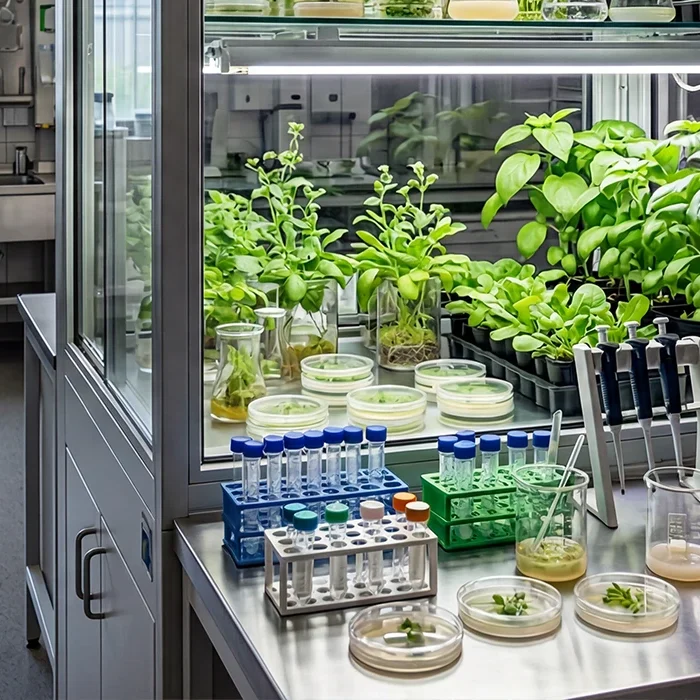
The hidden environmental cost of monitoring.
Questions about sustainability?

Most labs don't associate monitoring systems with sustainability. But the impact is real, and rarely accounted for.
Frequent battery replacements
Manual checks and paper-based logging
False alarms leading to unnecessary interventions
Product loss due to late detection
Energy waste from poorly optimized equipment
Traditional systems weren't built with sustainability in mind, they were built to "just work." We approached it differently.
A system that reduces waste by design.
Five quiet mechanisms, each lowering the environmental footprint of routine monitoring. None depend on behavioural change or operator vigilance.
01
Long battery life
Metinor sensors last up to 15 years without battery replacement. Across hundreds or thousands of sensors, that means fewer batteries produced, transported and disposed of, and dramatically less technician travel.
Fewer interventions, lower lifecycle material use.
02
Wireless deployment
No cabling. No infrastructure project. No drilling or rewiring. Sensors are installed in hours rather than weeks, and can be repositioned instead of replaced.
76 freezers equipped in a single day in a recent deployment.
03
Preventing product loss
Undetected temperature deviations mean destroyed samples, lost research and wasted energy already invested in storage. Real-time alerts and backfill logging stop those scenarios before they escalate.
The largest sustainability win in most labs is simply not losing material.
04
Fewer false positives
Every false alarm triggers activity, opened freezers, moved samples, investigated non-events. Stable communication and intelligent alerting minimise unnecessary intervention.
Less operator fatigue. Less downstream waste.
05
Smarter energy use
Continuous, high-quality data lets teams identify inefficient equipment, optimise setpoints, detect usage patterns and reduce overcooling or excessive safety margins.
Sustainability as an operational outcome, not a theoretical one.
06
Digital by default
Digital calibration records. Automated reporting. Full audit trails. Remote access to all data. Paper logs, manual checks and fragmented systems become unnecessary, along with the waste they generate.
A resilient, future-ready lab environment.

If You’re Looking at Sustainability, Start Here
Most labs look at energy systems, equipment upgrades, or facility redesign. Those matter. Monitoring is one of the few areas where improvement is immediate, measurable, and requires no operational disruption.